Research in Germany By Carolin Schlack
Anyone wanting to work on first-class research projects will find a wide range with hundreds of scientific institutions in Germany. The extramural research facilities, in particular, which are by international standards excellently equipped and organised, offer ideal conditions for top-class researchers.
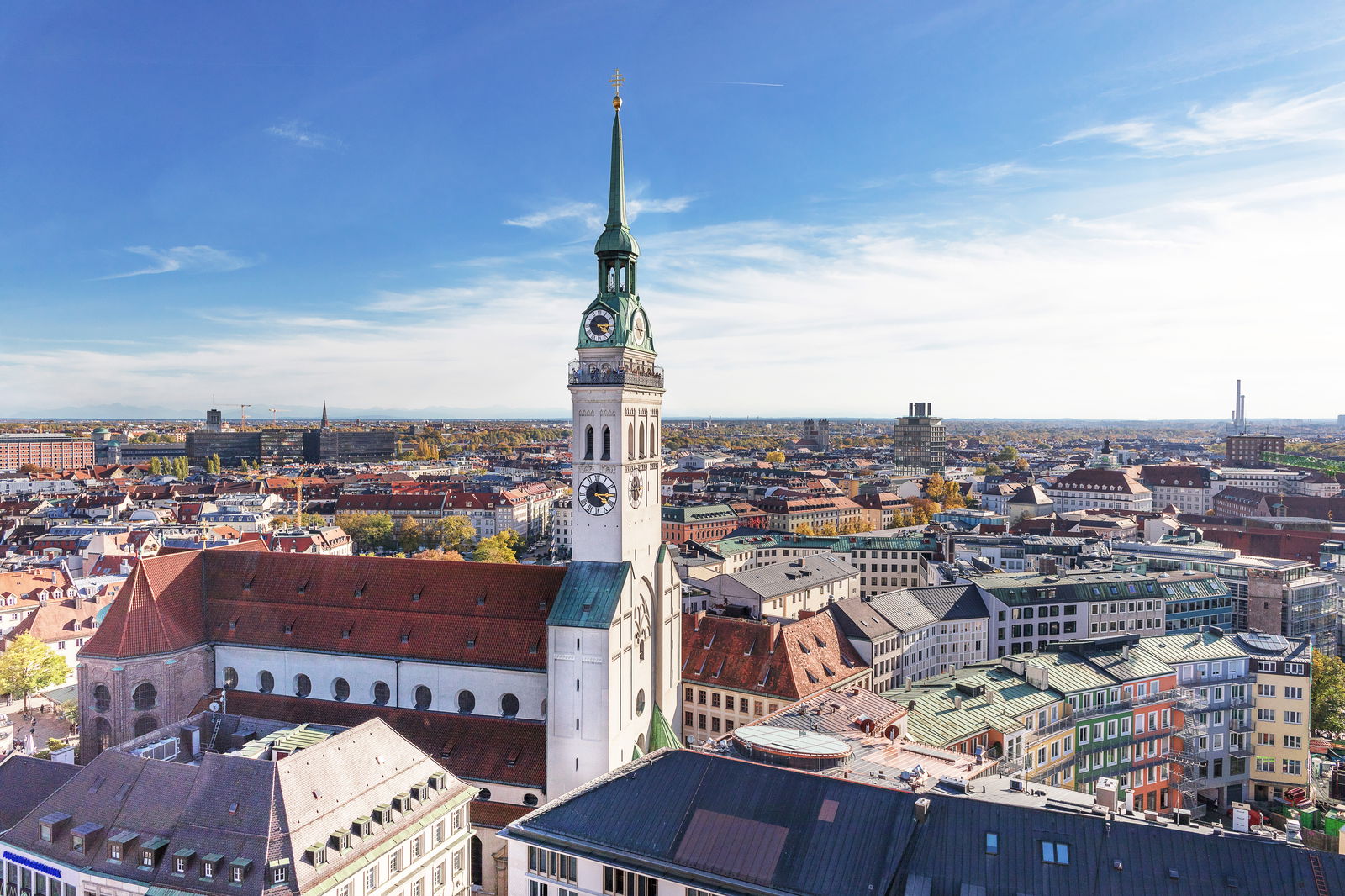
© c-mone - Photocase.deScientific institutions in Germany offer ideal conditions for top-class researchersThe Helmholtz-Gemeinschaft» with an annual budget of approximately 2.35 billion euros and its 15 research centres is the largest scientific organisation in Germany. Scientists in the Helmholtz-Gemeinschaft research innovative and complex solutions of economic and societal relevance. The centres enjoy immense international renown, resulting not only from Nobel Prizes as awarded, for example, in 2007 to the Physicist Prof. Peter Grünberg, who works at the Jülich Research Centre.
With 56 research facilities, the Fraunhofer-Gesellschaft» is the largest organisation for applied research in Germany. It collaborates closely with industry; one third of its research volume is financed by the German Federal Government, two thirds through service and industrial companies. Important sources of income include, for example, contract research projects that are made available to industry. As a result, its research is practice- and engineering-oriented, producing research results intended to find immediate application in industry. In addition to the natural sciences, the Leibniz-Gemeinschaft» focuses strongly on the humanities, social sciences and economics. With its 82 research facilities, it co-operates with universities, institutions in other research organisations and commercial enterprises at a national and international level. Research at a Leibniz Institute always forms a unit of excellence: the research here is interdisciplinary and combines basic research with applied research.
The Max-Planck-Gesellschaft» (MPG) with its 78 Max-Planck-Institutes carries out high-class fundamental research in the natural, biological and social sciences and the humanities, with the distinctive feature that the institutes choose their topics themselves. The society is known for time-consuming top-quality research that receives special financial support. So far, 17 Nobel Prizes alone have gone to scientists at Max-Planck-Institutes, most recently the 2007 Nobel Prize for Chemistry to MPI Director Gerhard Ertl.